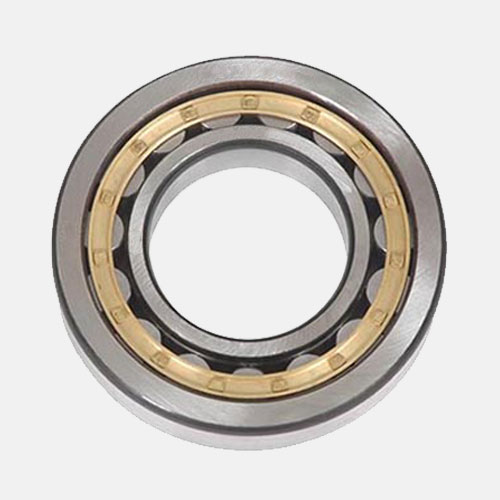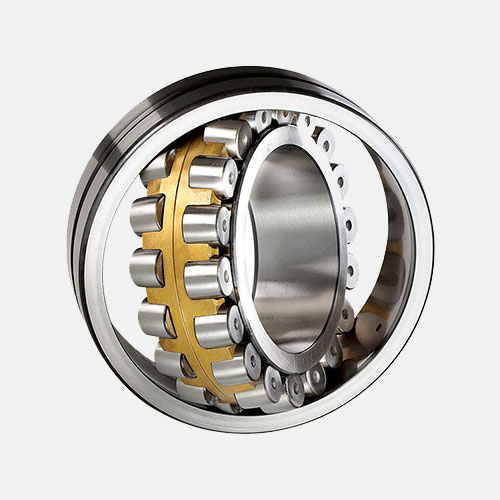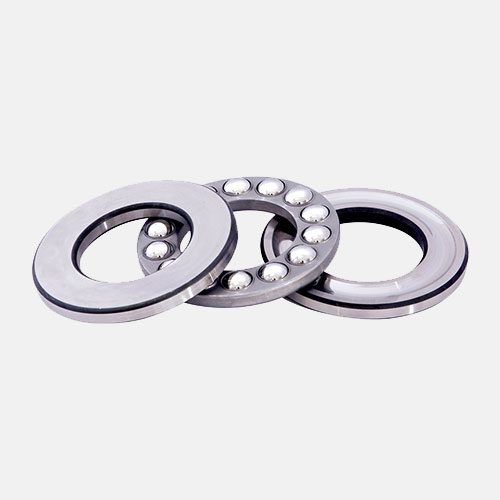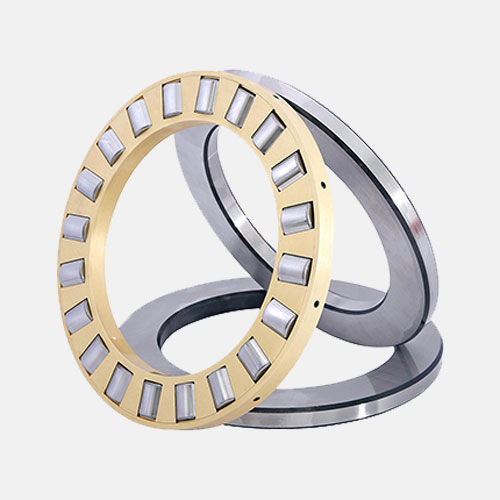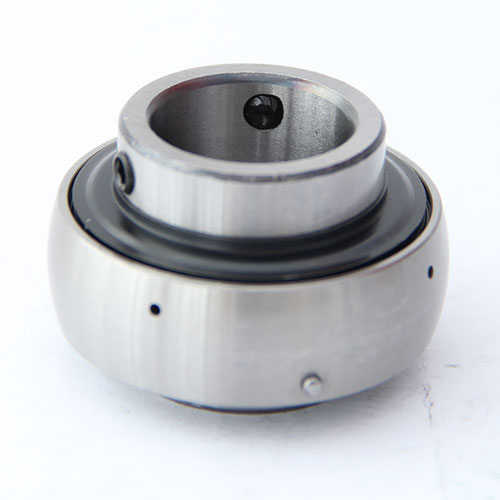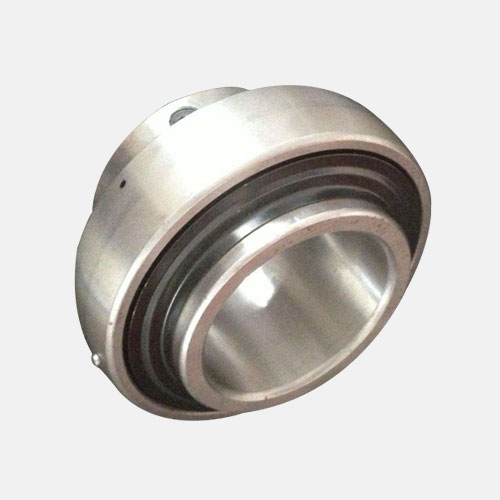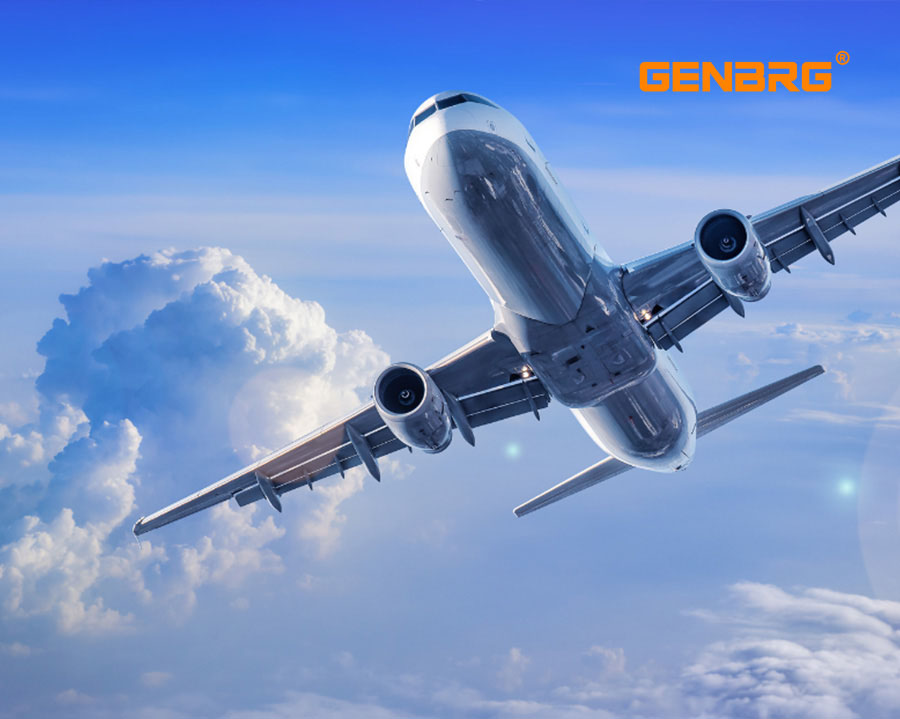
There are many types of aircraft bearings. In response to customer demands for reduced weight, reduced environmental pollution and high performance from bearings, bearing systems have become more complex and require greater reliability and quality control. Design theory and industry development trends of jet engine main shaft bearings. With the rapid development of emerging markets and the global expansion of low-cost airlines, demand and sales of commercial aircraft have grown steadily.
First of all, the aircraft model engine only has two high-temperature ceramic ball bearings, and the market price is generally around 300. Secondly, the combustion chamber is too crude, with low combustion efficiency and high fuel consumption. The turbine blades have no cooling device, no perfect lubrication and cooling system, and the structure is too simple.
In order to reduce friction, high-speed turbine engines generally use fully floating bearings, which can only transmit torque and reduce friction to low values. Angular contact ball bearings are only used to bear other moments. The axial thrust is mainly borne by thrust bearings.
Engine blades are mainly composed of composite materials, and compressor blades do not have many requirements. There are lubrication channels and air channels in the engine shaft.
There is an air passage between the turbine blades and the guide blades, and small holes are drilled by laser on the blade surface. During operation, an air film is formed on the blade surface to separate the high-temperature gas.
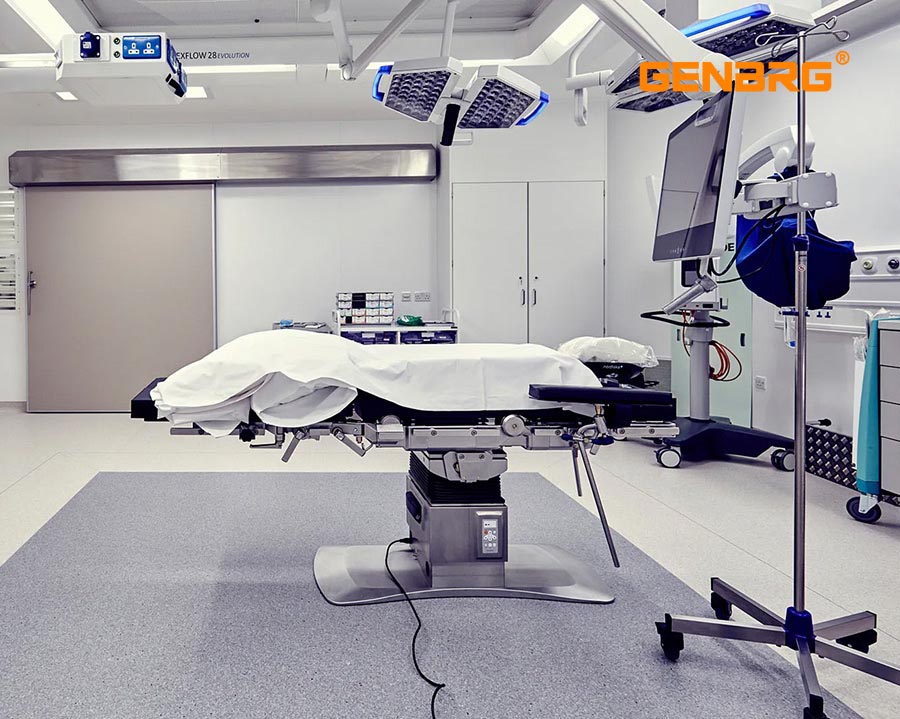
Medical device bearings – lubrication-free, clean room compatible, resistant to media, non-corrosive, low noise – these are important criteria for medical device components. Plastic bearings and energy chains are available with these propertie
More
Berlin/Schleinfurt, September 23, 2010 For several years now, Schaeffler Industry has become a major partner in the development of rolling bearings for high-speed trains. When developing these bearings we work closely with vehicle manufacturers and operat
More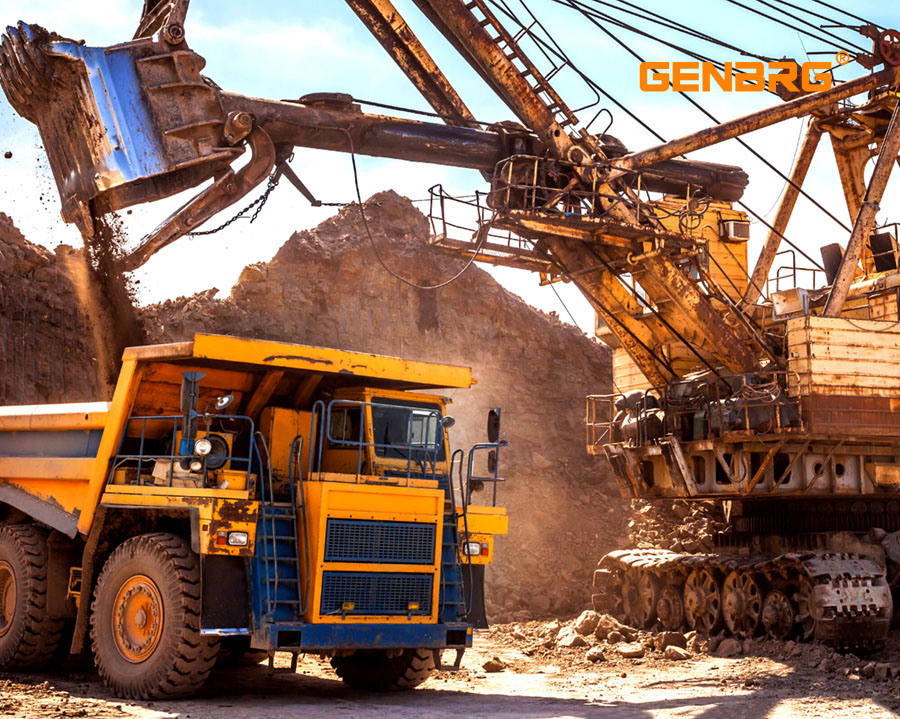
The places where mining machinery and engineering machinery are active are mostly mining sites in mountainous areas and desert areas that are far away from ordinary human life. Sometimes they even work 2,000 meters underground. There are many types of suc
More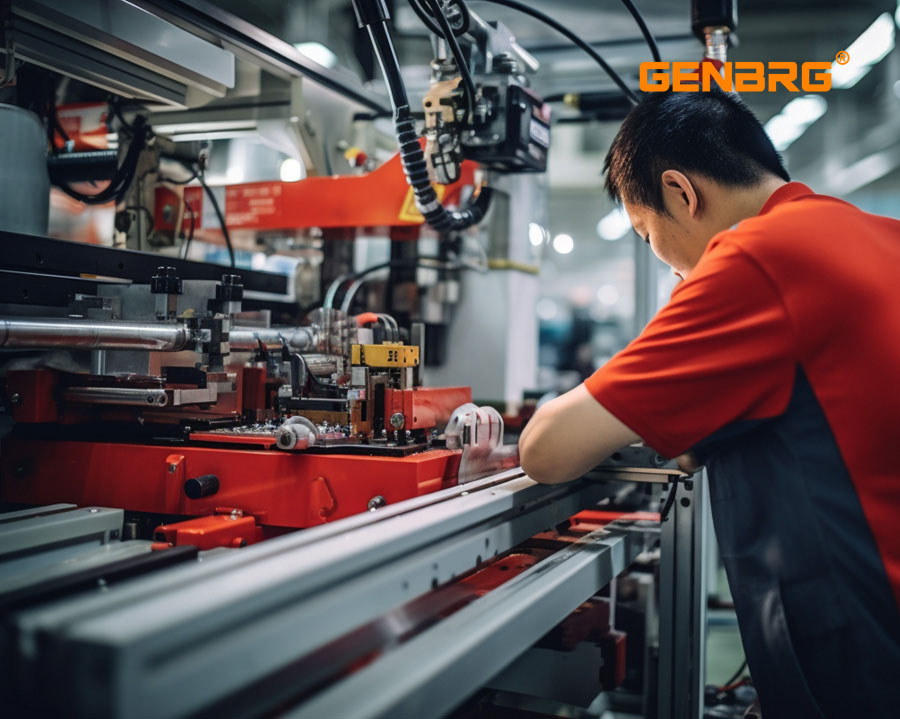
An automated assembly line is generally an organic whole composed of conveying equipment and professional equipment. It is a highly automated assembly production line based on electromechanical, information, imaging, and network integration. In the manufa
More