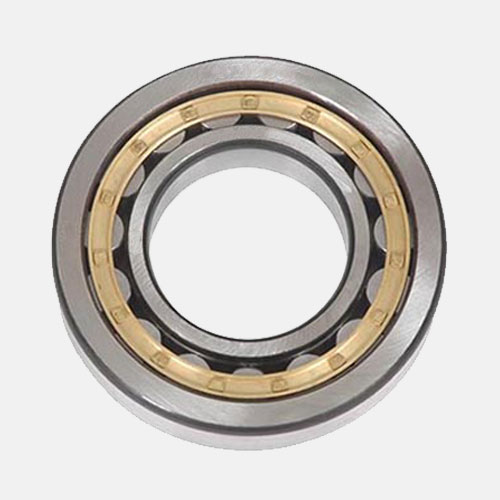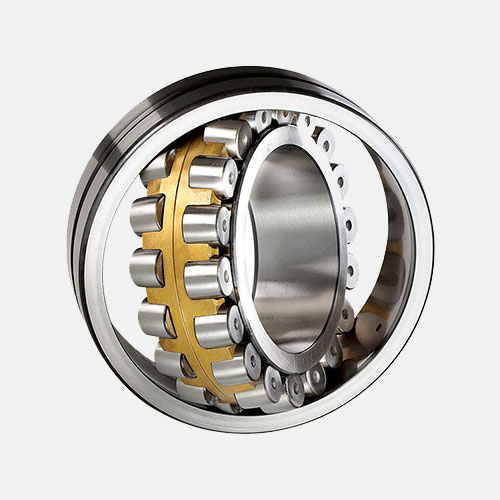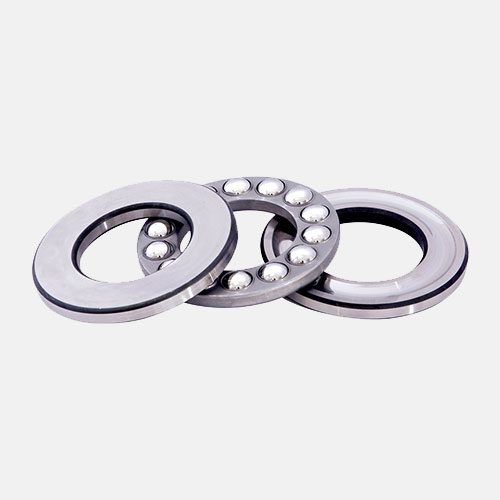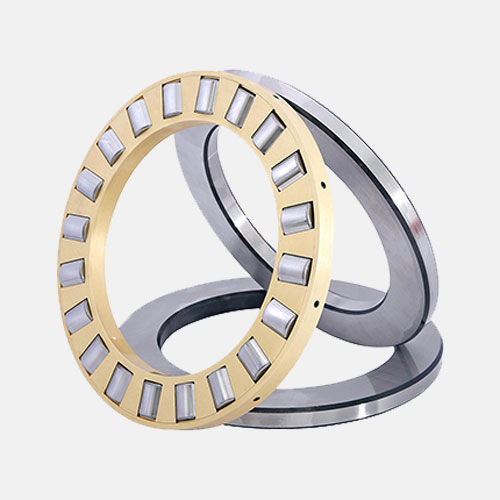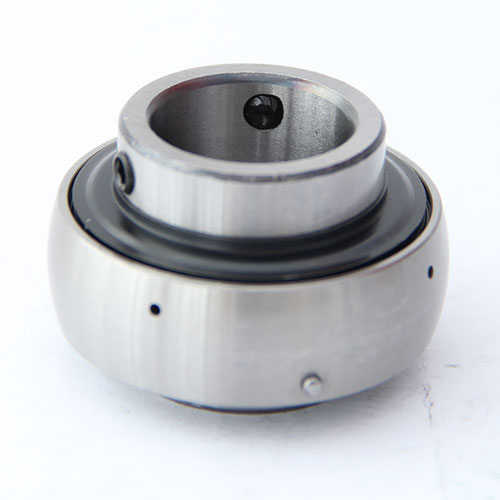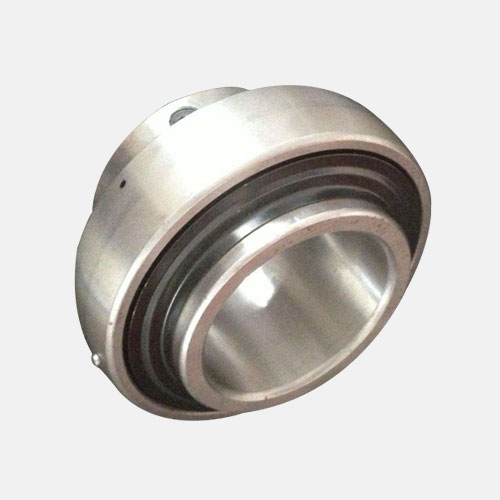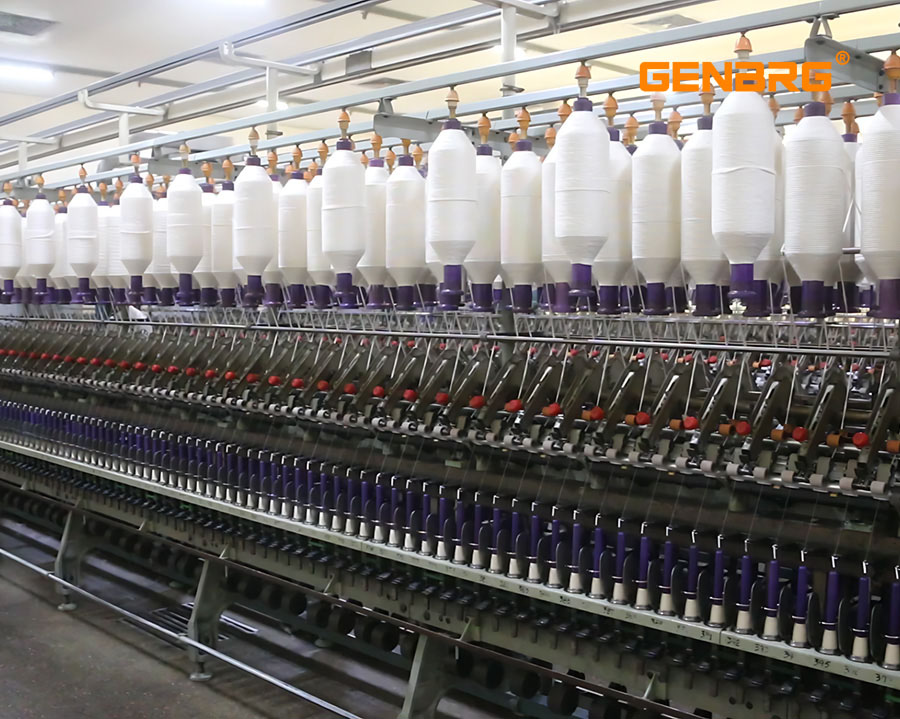
Textile machine bearings have stop rings on the outer diameter of the outer ring with sealing rings on both sides and are equipped with installed tapered bushings, lock washers and accessories. Textile machine bearings are mainly used to bear combined radial and axial loads, mainly radial loads. During installation and use, the dustproof effect is good and a certain degree of eccentricity adjustment can be achieved. Bearings for textile machines have stop rings on the outer diameter of the outer ring, sealing rings on both sides, and are equipped with installed tapered bushings, lock washers and accessories. It is mainly used to bear the combined radial and axial loads, which are mainly radial loads.
During installation and use, the dustproof effect is good and a certain degree of eccentricity adjustment can be achieved. Textile machine bearings are particularly suitable for supporting functions with limited radial installation dimensions. When selecting a bearing without an inner ring or a needle roller and cage assembly, the journal surface and housing hole surface matching the bearing are directly used as the inner and outer rolling surfaces of the bearing to ensure that the load capacity and operating performance are the same as those of bearings with rings.
Uses of textile machine bearings: Textile machine bearings are widely used in various mechanical equipment such as machine tools, metallurgical machinery, textile machinery, and printing machinery, and can make the mechanical system design very compact and smart.
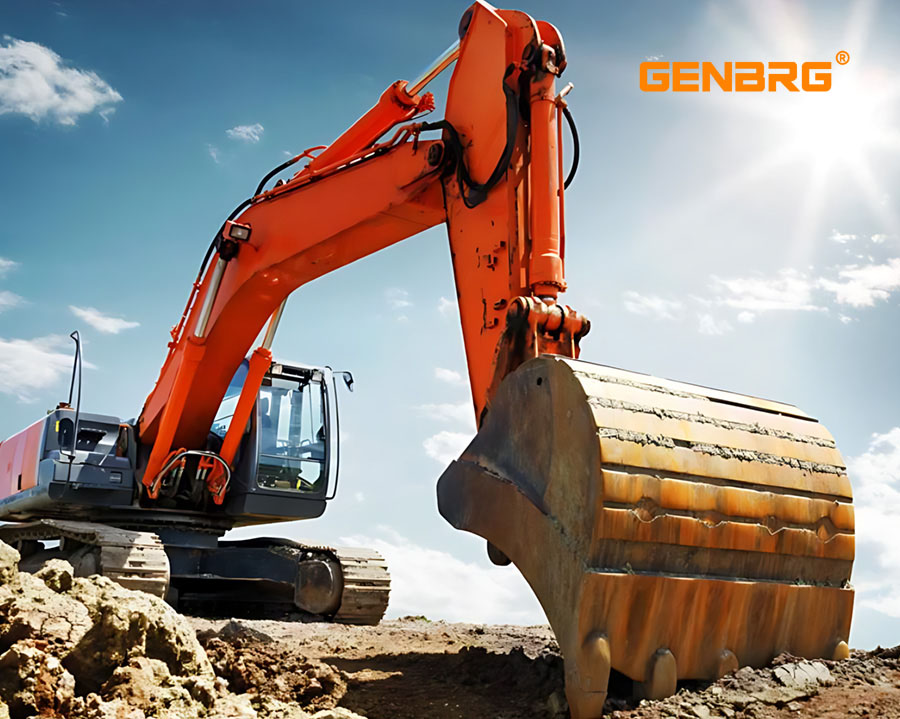
Excavator vehicle axle systems adopt different structural designs due to different application conditions. Locomotives and buses have axle boxes. The bearings are connected to the bogie through the axle box, and the bearings are connected to the bogie sid
More
Medical device bearings – lubrication-free, clean room compatible, resistant to media, non-corrosive, low noise – these are important criteria for medical device components. Plastic bearings and energy chains are available with these propertie
More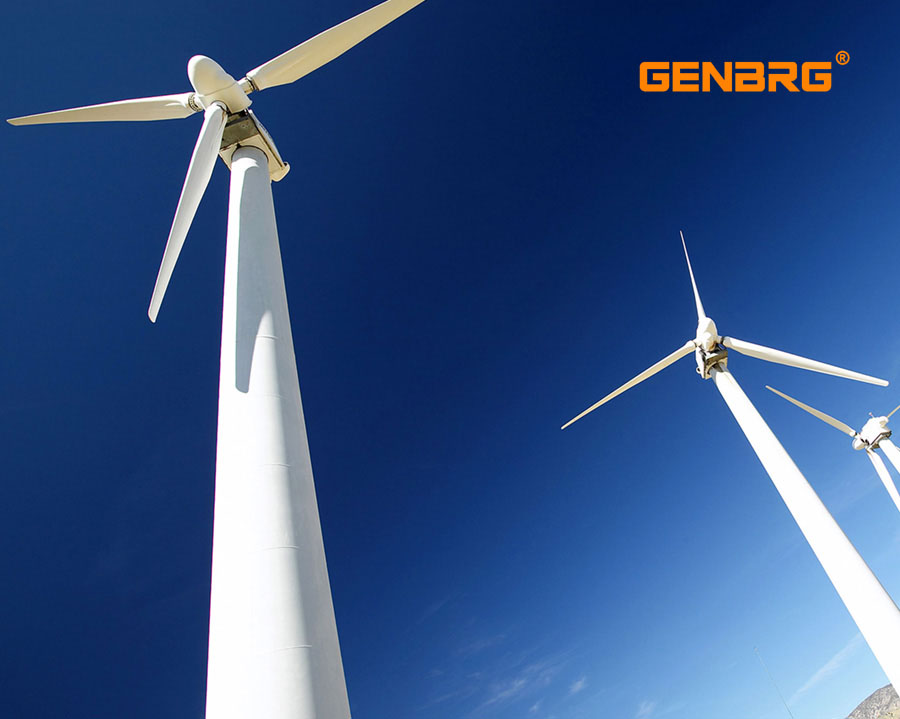
As a clean energy source that does not produce carbon dioxide that contributes to the greenhouse effect, wind power is rapidly spreading around the world. Large wind turbines (windmills) are giant machines. Many 2MW wind power equipment currently under co
More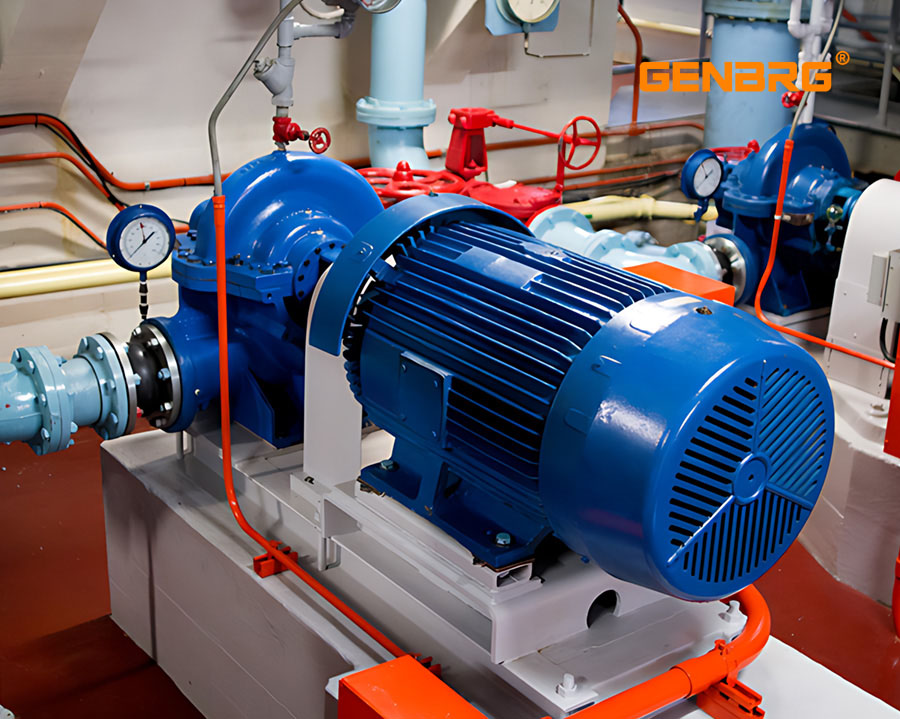
Motor bearings, also known as motor bearings or motor bearings, are special bearings specially used on electric motors or motors. The bearing used in the motor is a part that supports the shaft. It can guide the rotation of the shaft and can also bear the
More